The Stray Reader Protocol: Making a Mid-Serial Chapter Feel Like an Open Door
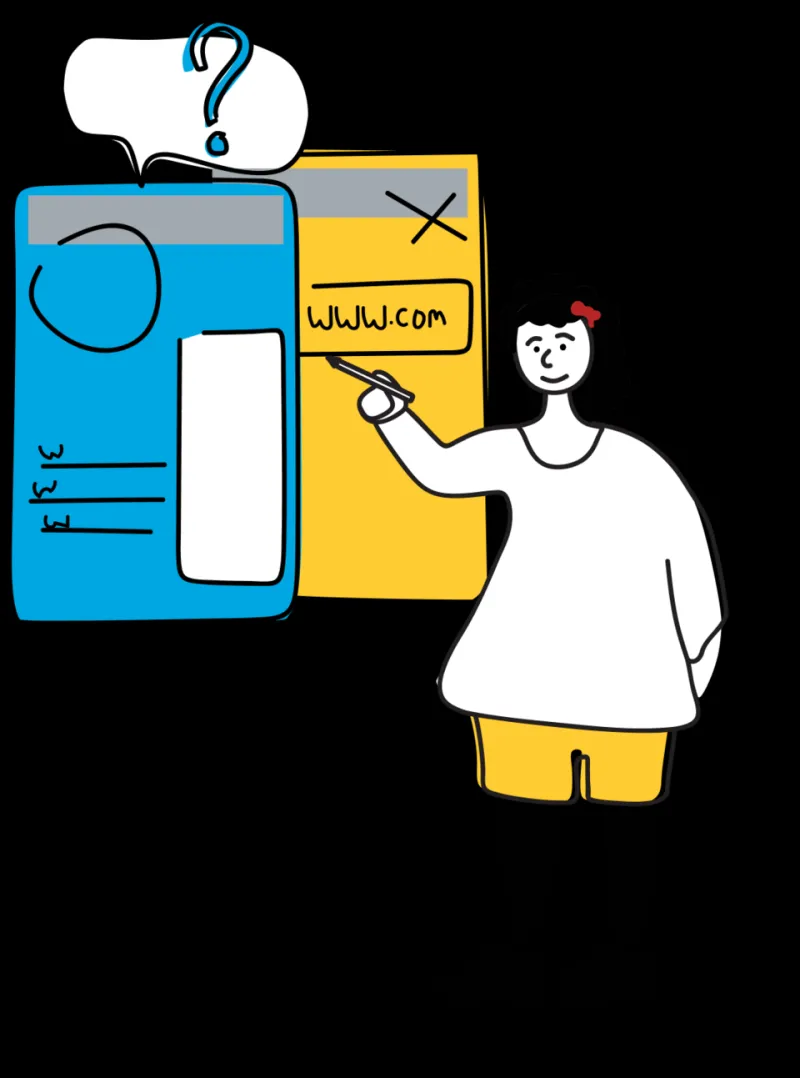
Photo: Mam'Gobozi Design Factory (MDF), CC BY-SA 4.0, via Wikimedia Commons
There's a specific kind of reader who finds your serial at exactly the wrong moment. They tap a link from a friend, a subreddit thread, or an algorithmic recommendation, and they land on chapter 212. They don't know who the villain is. They don't know why the protagonist can't go home. They don't know that the coffee shop burned down forty chapters ago.
And they keep reading anyway.
At H-Novel, we talk a lot about the chapter-one hook. But the truth is that most serial readers don't arrive at chapter one. They arrive wherever the internet drops them. For authors, that's not a problem to solve with a giant 'previously on' recap. It's a design opportunity. The chapters in the middle of your story can be open doors, not locked gates.
The Drop-In Is the Default
Serial fiction has a discovery problem and a retention problem, and they meet in the middle of the book. A reader who binges a long-running web novel on a phone during a commute is not going to start at the beginning just because the numbers say so. They're going to read the chapter that got shared. If that chapter feels like a conversation already in progress—with no way in—they bounce.
The fix isn't to make every chapter a standalone short story. It's to treat each chapter like the cold open of a TV episode: you drop into a scene, but the scene carries enough friction and clarity to pull you forward.
Steal the Cold Open, Skip the Recap Voice
TV recaps have a bad reputation for a reason. 'Previously on...' can flatten mystery into homework. Serial chapters can do better. Instead of summarizing, orient.
Orientation means the reader knows three things within the first few paragraphs:
- Who is in the scene and what they want right now.
- What is at risk in this immediate moment.
- Why the scene matters to the larger story—without a history lecture.
You don't need a character dossier. You need a character doing something specific. 'Mara counted the cash twice, then slid the envelope across the table' tells a new reader more than 'Mara, a former accountant who had been blackmailed since chapter 47, was nervous.'
Context Clues, Not CliffNotes
Spoiler-safe context is a craft skill, and it's different from summary. Summary tells the reader what happened. Context lets the reader infer what happened from what's happening now.
If a character flinches when someone mentions the harbor, a new reader doesn't need to know about the shipwreck in chapter 88. They just need to see that the harbor is a wound. That's orientation. It rewards the existing audience with subtext and gives the latecomer a foothold.
The same goes for relationships. A single line of dialogue can carry a decade of history: 'You still won't call me Dad.' That's not a spoiler. That's a door.
Reintroduce Without Rehearsing
The biggest fear authors have about mid-serial onboarding is that it will slow down the existing audience. It can—if you stop the plot to explain the plot. The trick is to weave reintroductions into action.
One habit: give every returning character a want line in their first scene back. Not a backstory line. A want line. What do they want in this chapter? A new reader can attach to desire even without context. The existing reader gets momentum.
Another habit: use anchor objects. A recurring pocket watch, a scar, a specific insult. New readers learn the object's meaning through use, not explanation. Existing readers get the pleasure of recognition.
The Two-Line Rule
When you absolutely must reintroduce someone, keep it to two lines. One concrete detail and one active desire. That's it. 'Dex still wore the same cracked boots. He wanted the ledger, and he wasn't leaving without it.' A new reader now knows Dex is stubborn, worn down, and on a mission. An existing reader knows exactly which ledger and exactly why that's bad news.
Anything more is a wiki entry. Anything less is a confusion tax.
What This Looks Like in Practice
A few structural habits that make mid-serial chapters friendlier without sanding off the edges:
- Name tags in action: Let characters address each other naturally in dialogue. New readers learn names through use.
- Stakes in the first page: State the immediate problem before the history. The history can follow.
- Recap through conflict: If you need to remind readers of a past event, do it while two characters disagree about what it meant.
- End on a question, not just a cliff: A cliffhanger asks 'what happens next?' A question asks 'what does this mean?' Both pull readers, but the question travels better for latecomers.
- Trust the reader: Accidental latecomers are not stupid. They're experienced at picking up context. Give them credit.
The Latecomer Is Your Next Regular
The reader who starts at chapter 212 is not a second-class citizen. They're the person who will comment on chapter 213, recommend the serial to their book club, and go back to chapter one with a weird kind of enthusiasm. Designing for them isn't dumbing down the story. It's widening the doorway.
At H-Novel, we've seen this play out in comment sections: a stray reader asks a question, a longtime reader answers, and suddenly the thread has a new regular. That's the serial conversation working the way it's supposed to. The chapter didn't just continue a story. It started one for someone else.
So the next time you're drafting chapter 212—or 312, or 412—ask yourself one question: if this were someone's chapter one, would they know where to stand? If the answer is yes, you've built a door. If it's no, you haven't lost them yet. You've just got some light remodeling to do.