Canon, Patched: How to Keep a Serial Book Club Steady When the Story Changes Its Mind
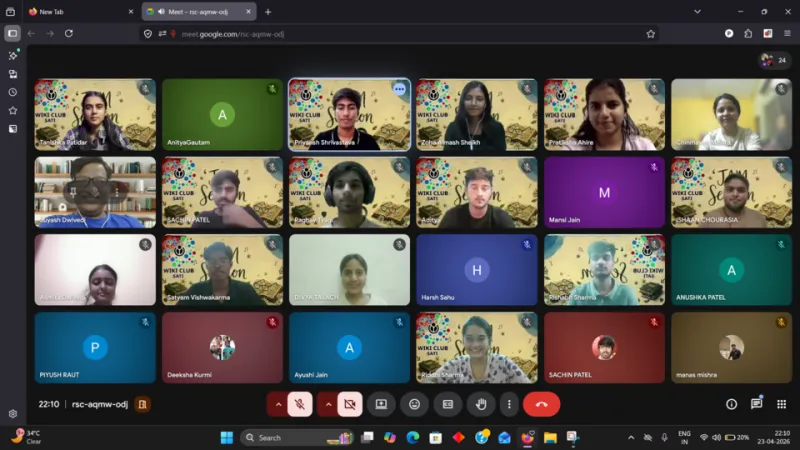
Photo: Sachin Patel 78, CC BY-SA 4.0, via Wikimedia Commons
Serial fiction is a living thing. Chapters go up, comments roll in, and sometimes the author doubles back with a patch: a name gets corrected, a timeline tightens, or a reveal quietly rearranges what you thought you knew. In a solo read, that can be a shrug. In a book club, it can be a small earthquake. The comment thread splits into detectives, defenders, and the poor reader who just got to chapter twelve and has no idea why everyone is yelling.
The good news: a retcon does not have to derail the discussion. With a little structure, your group can treat continuity changes as part of the serial experience—not a betrayal, not a spoiler crisis, and not a reason to abandon the buddy read. Here is a practical framework for keeping the thread steady when the story rewrites itself.
First, Name the Weather: Is It a Patch or a Renovation?
Not every change deserves the same response. A typo fix in a character's surname is a patch. A revised timeline that moves a pivotal death from chapter eight to chapter eighteen is a renovation. Readers need a shared vocabulary so the thread does not treat every edit like a canon emergency.
Try labeling changes in the discussion:
- Patch: spelling, ages, minor props, dates that do not affect plot.
- Repair: fixes a contradiction the author acknowledged, like a character being in two places at once.
- Renovation: changes what a past scene meant, who knew what, or what counts as canon going forward.
- Reveal-adjacent: not technically a retcon, but a new chapter that reframes old information.
When someone drops a change into the chat, ask: patch, repair, renovation, or reveal-adjacent? That one question cools the temperature. It also helps new readers know whether they can keep reading or need to pause for a spoiler-safe briefing.
The Retcon Ledger: A Low-Drama Way to Track Changes
Book clubs love a shared document. Use it. Start a simple retcon ledger with columns for chapter, what changed, type of change, and spoiler level. Pin it in your Discord or group chat. The goal is not to litigate the author's choices. It is to give everyone the same map.
Example entry:
- Chapter 34: Author corrected the duke's first name from Edmond to Edmund. Patch. No spoilers.
- Chapter 41: The letter from chapter nine was revealed to be forged. Renovation. Spoilers through chapter 41.
- Chapter 47: A supporting character's age changed from nineteen to twenty-two. Repair. Mild.
A ledger does two things. First, it stops the same question from being answered five times in the thread. Second, it separates the fact of the change from the feelings about the change. You can link to the ledger entry instead of rehashing the whole argument. That is especially useful in long-running serials where the comment section moves faster than the chapters.
Spoiler Panic vs. Canon Questions: Keep the Buckets Separate
Most retcon fights are actually two conversations wearing the same coat. One is a canon question: What is true now? The other is a spoiler question: Who is allowed to know it, and when?
Keep them in separate buckets. Canon questions can often be answered without revealing future plot. Spoiler questions need tags, chapter ranges, and consent. If a reader asks, 'Wait, was the mentor lying in chapter six?' that can be answered with a chapter range: 'Spoilers through chapter forty-one—want the short version or the full thread?'
If someone posts a major renovation without warning, do not pile on. Point them to the spoiler policy and ask them to repost with a tag. Then move the conversation to a dedicated spoiler thread. The goal is not to shame the excited reader. It is to protect the reader who is three chapters behind and still thinks the mentor is trustworthy.
For Authors: Flag the Change, Not the Panic
Authors, this part is for you too. You do not owe readers a director's commentary for every comma. But if you change something that affects how past chapters read, say so. A short author's note—'Chapter 22 has been revised to align with the timeline revealed in chapter 40'—does more for community trust than a hundred defensive comments.
Flag the change, not the panic. Give readers the chapter range, the type of change, and whether they need to reread. If the change is a genuine renovation, consider a spoiler-safe summary in a pinned post. That keeps new readers oriented and gives longtime readers a place to process without hijacking the main thread.
For New Readers: A Welcome Mat, Not a Minefield
If you are new to a serial that has already been patched, you deserve orientation. Ask the group for a 'start here' note: which chapters have been revised, which fan wikis are current, and which discussion threads are spoiler-safe. A good community will have a welcome mat ready. A great one will keep it updated.
If you are the one welcoming new readers, resist the urge to dump the entire retcon history in the main chat. Link the ledger. Offer a spoiler-free summary. Then let them read. The story should be the entry point, not the continuity paperwork.
Book Club Prompts That Keep Momentum
When the group needs to move forward, try prompts that turn retcons into discussion rather than debate:
- Which change made the story stronger, and which one made you reread a chapter?
- Did the author flag the change early enough for you?
- If you were writing the author's note, what would you include?
- How would you explain this retcon to a new reader without spoiling the next arc?
These questions keep the focus on craft and community, not guilt. They also give quieter readers a way in. Not everyone wants to argue canon at midnight. Some people just want to know whether they missed something.
Serial fiction will keep rewriting itself. That is part of the form's messy charm. A book club does not need to pretend every patch was planned from chapter one. It just needs a shared way to talk about the changes without losing the plot. Name the weather, keep a ledger, separate canon from spoilers, and make room for the reader who is still catching up. The thread can survive a renovation. It might even get better.